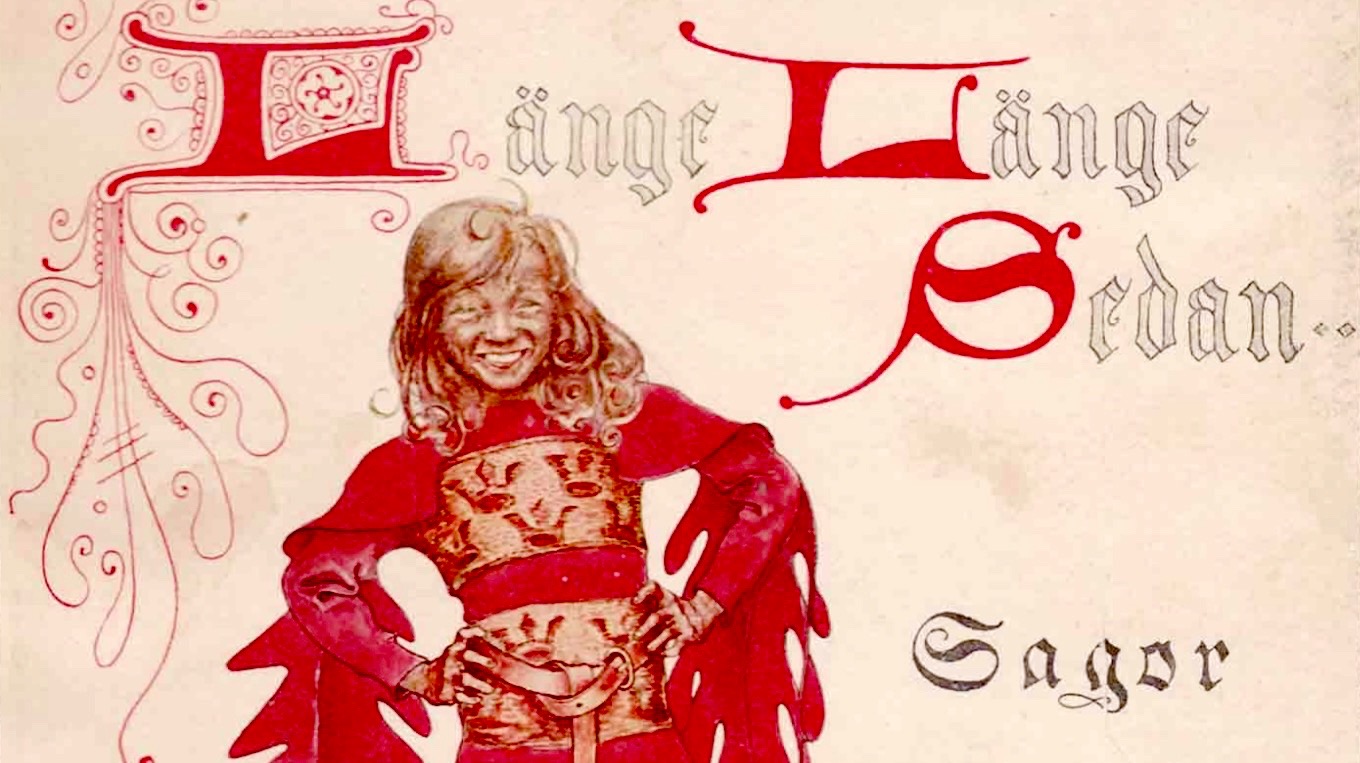
Have you read about what I intend to do with the more than 40 volumes of Swedish folktales I have access to? Perhaps you’d like to. If so, look here.
Have you read about what I intend to do with the more than 40 volumes of Swedish folktales I have access to? Perhaps you’d like to. If so, look here.
A fox saw a hen in a field, and thought of making a meal of her. Yet before he did so, he recited a prayer of thanksgiving. By the time he had finished, the hen had flown up on to a roof, and he could not reach her. Then the fox exclaimed: “That’s taught me to eat first and give thanks afterwards.”
• From Jöran Sahlgren and Sven Liljeblad. Svenska sagor och sägner 4: Sagor ur G. O. Hyltén-Cavallius och George Stephens samlingar. Uppsala: Kungl. Gustav Adolfs Akademien, 1942.
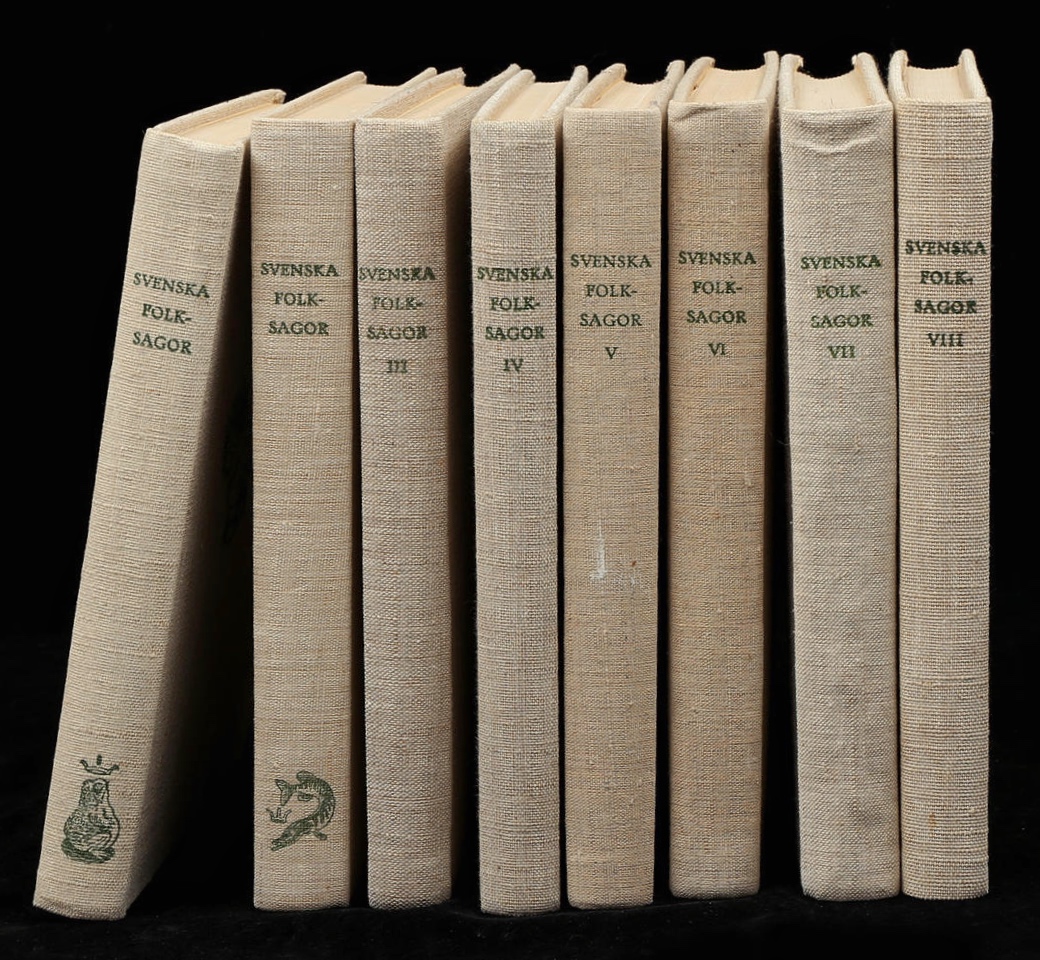
The beginning of the following Swedish folktale is grim. It continues as a version of “The Ram and the Pig Who Should Go to the Forest and Live by Themselves” (ATU-130B), with a bit of “The Molly of Dovre” (ATU-1161) mixed in the middle.
But does the parson get his roast?
The Parson’s Roast
A wealthy, though unusually stingy, farmer wanted, once upon a time, to have his children Christened, and he was therefore making ready for a visit from the parson.
“It is regrettable,” he said, “that the parson shan’t have a roast meal when he comes; officials are especially pleased with such things.”
“Oh, we’ll think of something,” answered his resourceful wife. “I know! We can slaughter the cat and tell the parson it’s roast hare. What difference will it make to him?”
The cat, who had been sitting in the kitchen, listening to everything they said, hurried out as swiftly as he could go.
This is among the first Swedish folktales from Sven Sederström’s collection I have translated, and it’s delightful (despite the threat on the cat’s life).