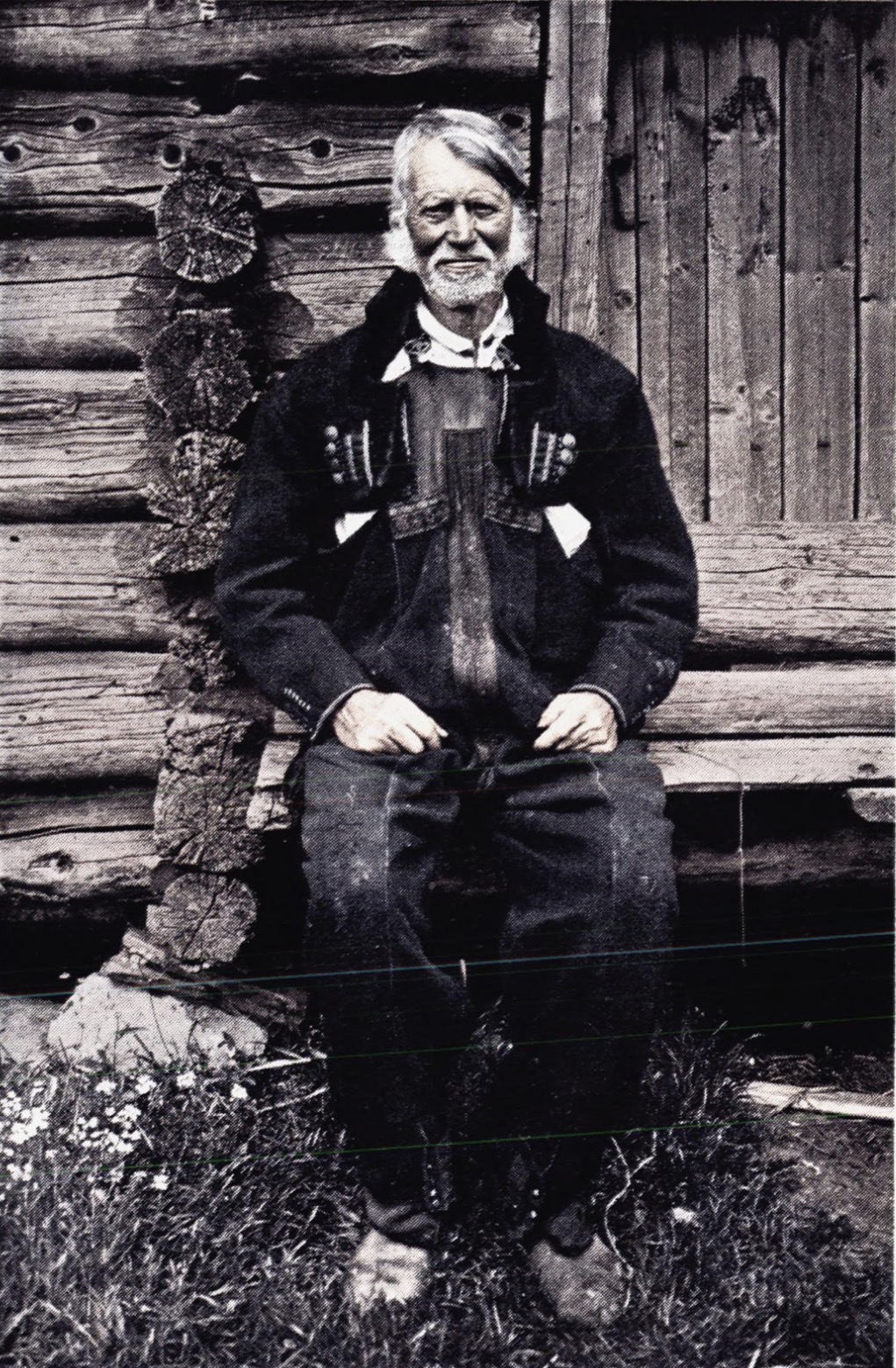
What do the trolls do when their leader has his nose shot off?
“Trond,” as told by Olav Eivindsson Ausdal, on my website, NorwegianFolktales.net
.
What do the trolls do when their leader has his nose shot off?
“Trond,” as told by Olav Eivindsson Ausdal, on my website, NorwegianFolktales.net
.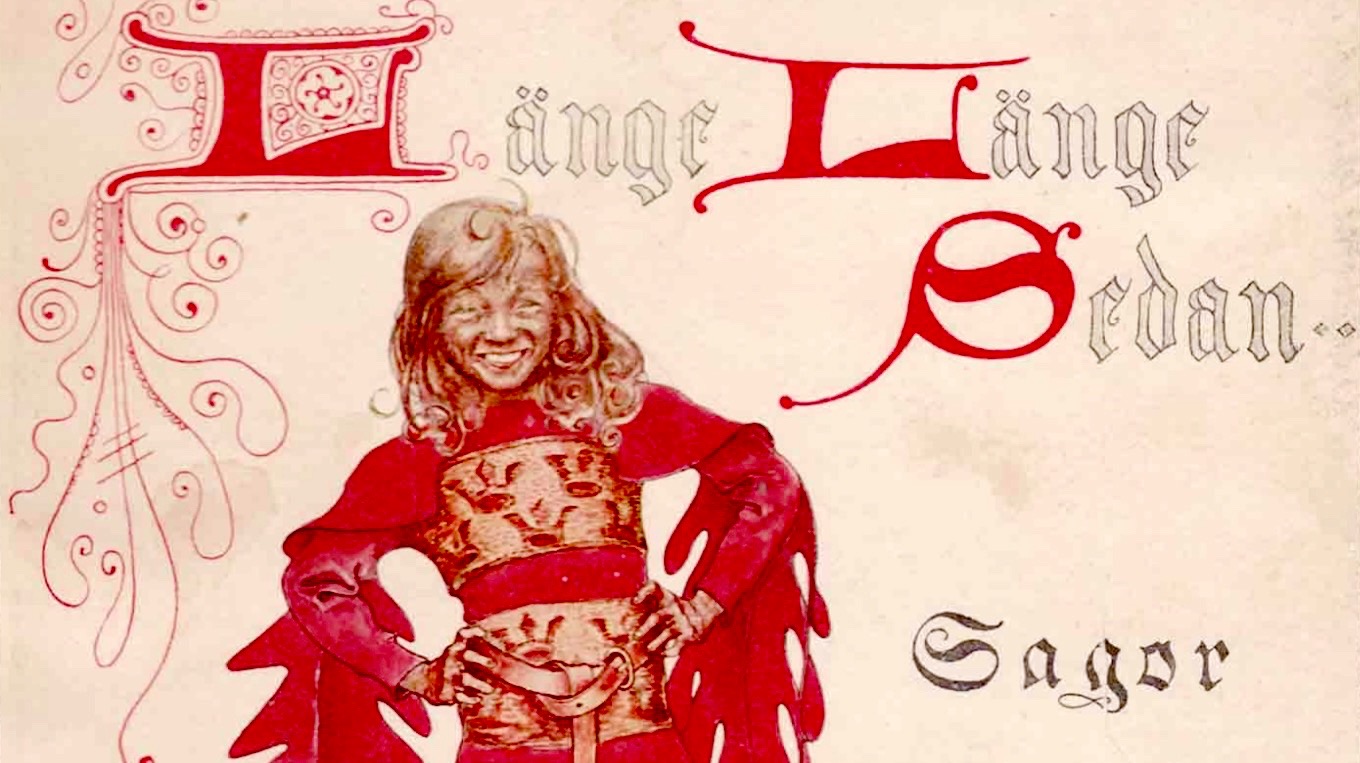
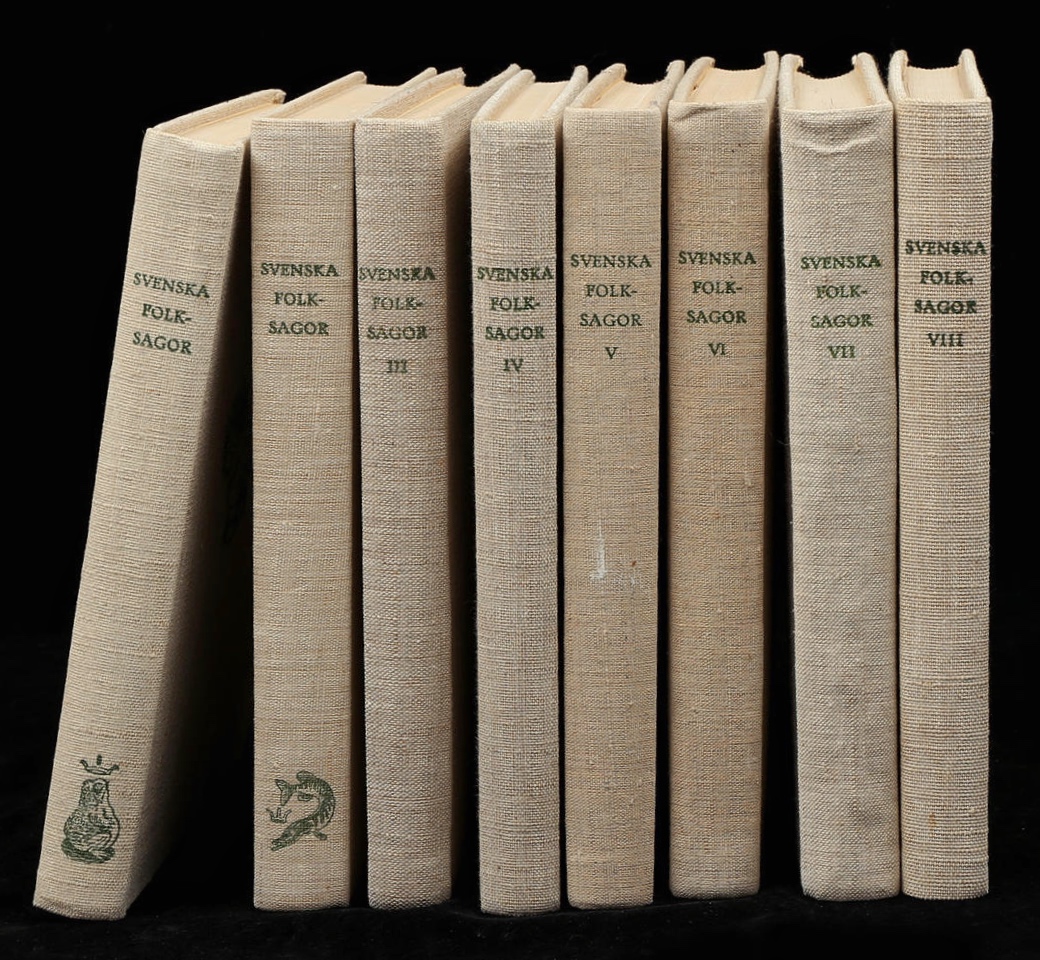
Have you read about what I intend to do with the more than 40 volumes of Swedish folktales I have access to? Perhaps you’d like to. If so, look here.
A fox saw a hen in a field, and thought of making a meal of her. Yet before he did so, he recited a prayer of thanksgiving. By the time he had finished, the hen had flown up on to a roof, and he could not reach her. Then the fox exclaimed: “That’s taught me to eat first and give thanks afterwards.”
• From Jöran Sahlgren and Sven Liljeblad. Svenska sagor och sägner 4: Sagor ur G. O. Hyltén-Cavallius och George Stephens samlingar. Uppsala: Kungl. Gustav Adolfs Akademien, 1942.
The beginning of the following Swedish folktale is grim. It continues as a version of “The Ram and the Pig Who Should Go to the Forest and Live by Themselves” (ATU-130B), with a bit of “The Molly of Dovre” (ATU-1161) mixed in the middle.
But does the parson get his roast?
The Parson’s Roast
A wealthy, though unusually stingy, farmer wanted, once upon a time, to have his children Christened, and he was therefore making ready for a visit from the parson.
“It is regrettable,” he said, “that the parson shan’t have a roast meal when he comes; officials are especially pleased with such things.”
“Oh, we’ll think of something,” answered his resourceful wife. “I know! We can slaughter the cat and tell the parson it’s roast hare. What difference will it make to him?”
The cat, who had been sitting in the kitchen, listening to everything they said, hurried out as swiftly as he could go.
This is among the first Swedish folktales from Sven Sederström’s collection I have translated, and it’s delightful (despite the threat on the cat’s life).
The hero of “every other one of our folktales,” as Jørgen Moe once said, Askeladden is far from a heroic name.
Read about the name of Askeladden on my Website: Today You Learned (#2): Askeladden is not a hero’s name.
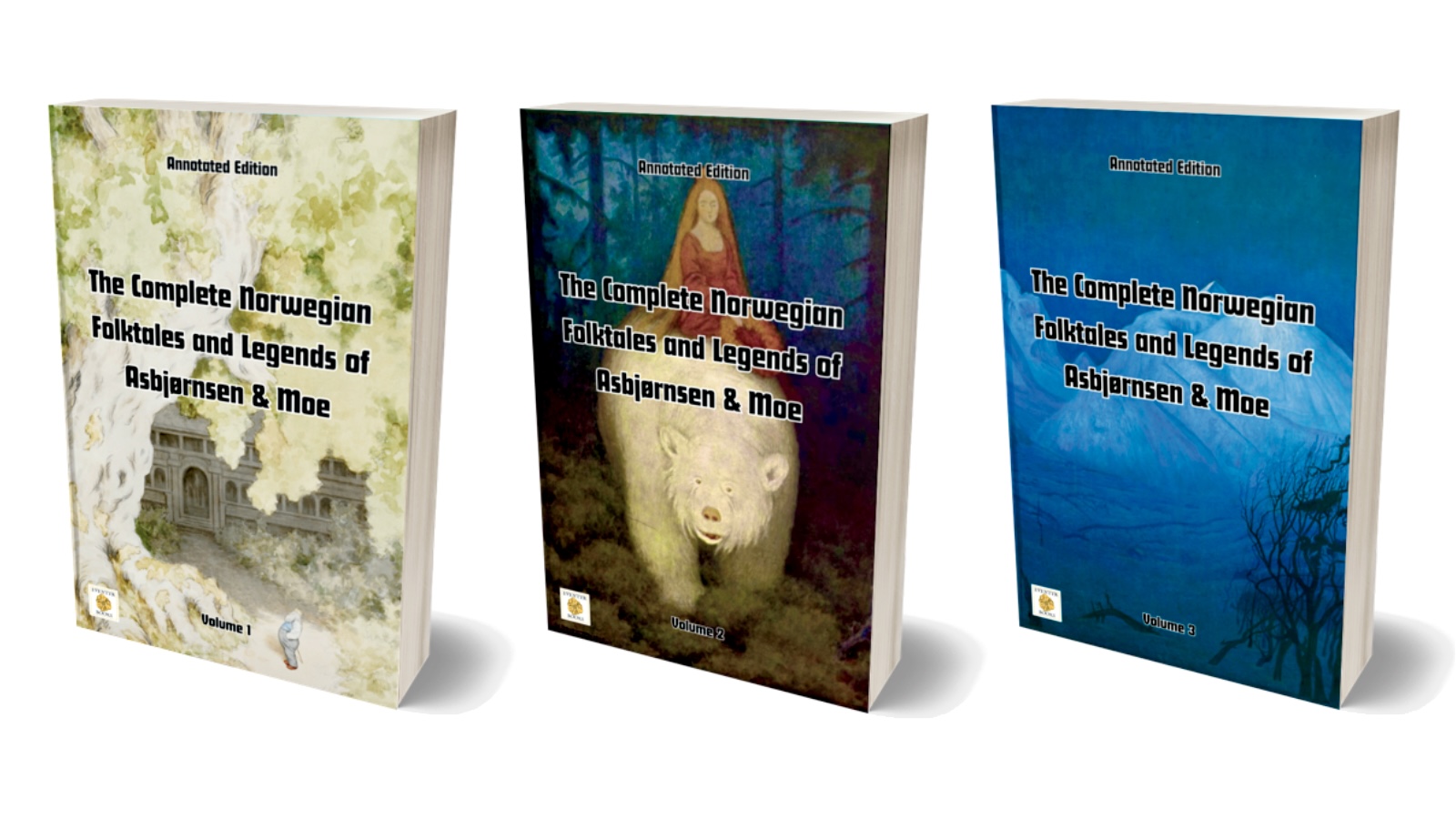
Three chunky volumes (815 pages, 617 pages, and 665 pages).
Original prefaces from eight editions.
Jørgen Moe’s substantial introduction to the folktales, in which he discusses the origins of folk narratives, and how the Norwegian material exemplifies his ideas.
All 122 folktales Asbjørnsen & Moe published during their careers.
28 hulder tales and folk legends, a genre Asbjørnsen defined, in which he embeds the legends of the hidden folk.
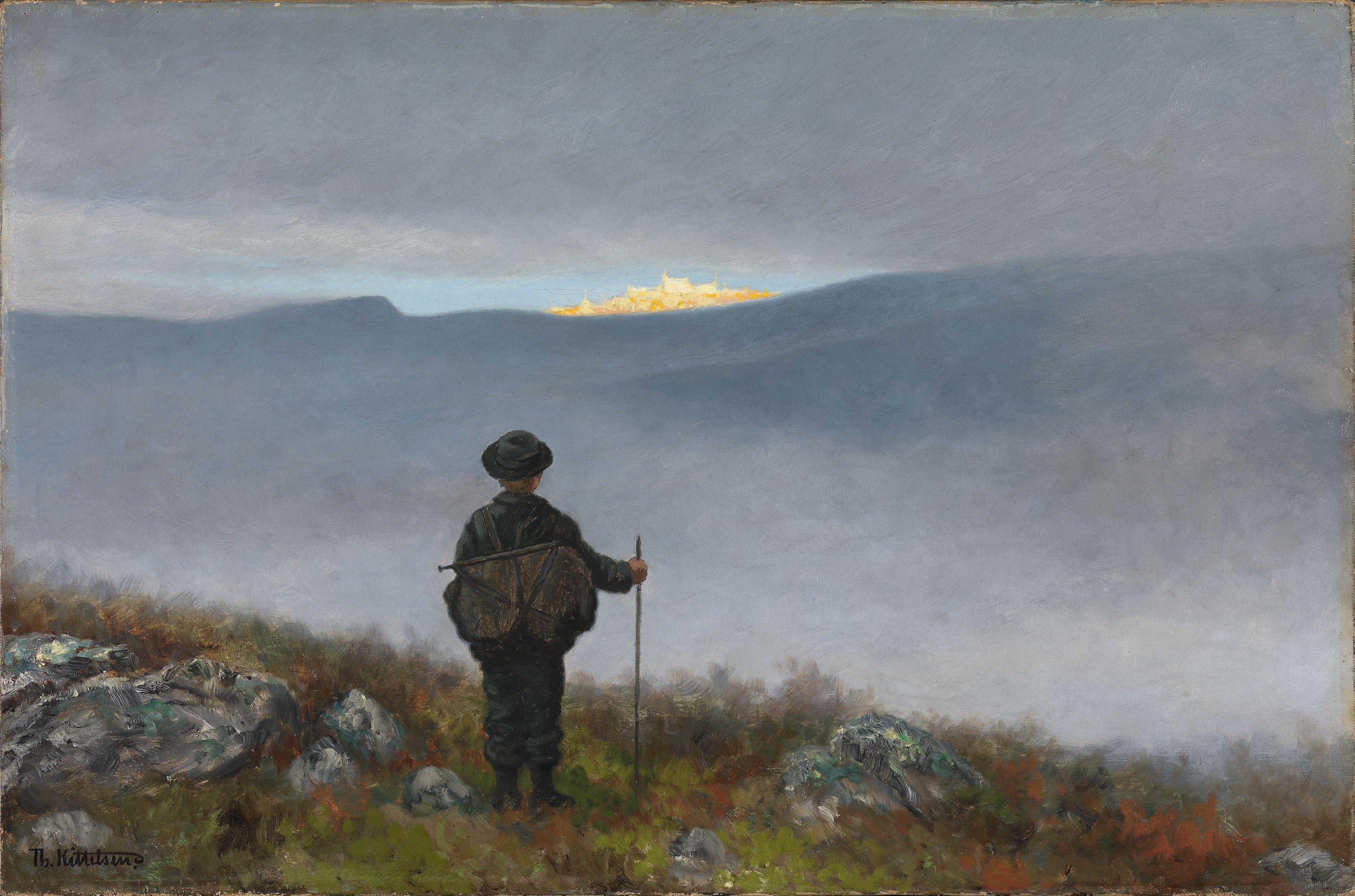
Approximately 350 illustrations by some of the most accomplished artists Norway has known, including Hans Gude, Erik Werenskiold and Theodor Kittelsen.
Asbjørnsen & Moe’s notes on the folktales, which detail the variant(s) the collectors used to compose each folktale, sketch out other variants they collected, and compare the Norwegian folktales with similar traditions from other regions.
Newly-researched editor’s notes, which identify the collector responsible for the composition of each text, give collection data, including tale type, geographical origin, collector, informant, and date of collection, sketch biographical details of informants, where known, give previous publication and translation details, trace historical and literary sources, and draw attention to points of particular interest.
Editor’s prefaces to each volume, which trace the publication history of the original volumes represented, as well as previous translations.
Comprehensive – perhaps even exhaustive – bibliographies to each volume.