How long it will be, I don’t know, but my book of The Draug is coming. Take a look at the announcement on my Website: Forthcoming: The Draug.
How long it will be, I don’t know, but my book of The Draug is coming. Take a look at the announcement on my Website: Forthcoming: The Draug.
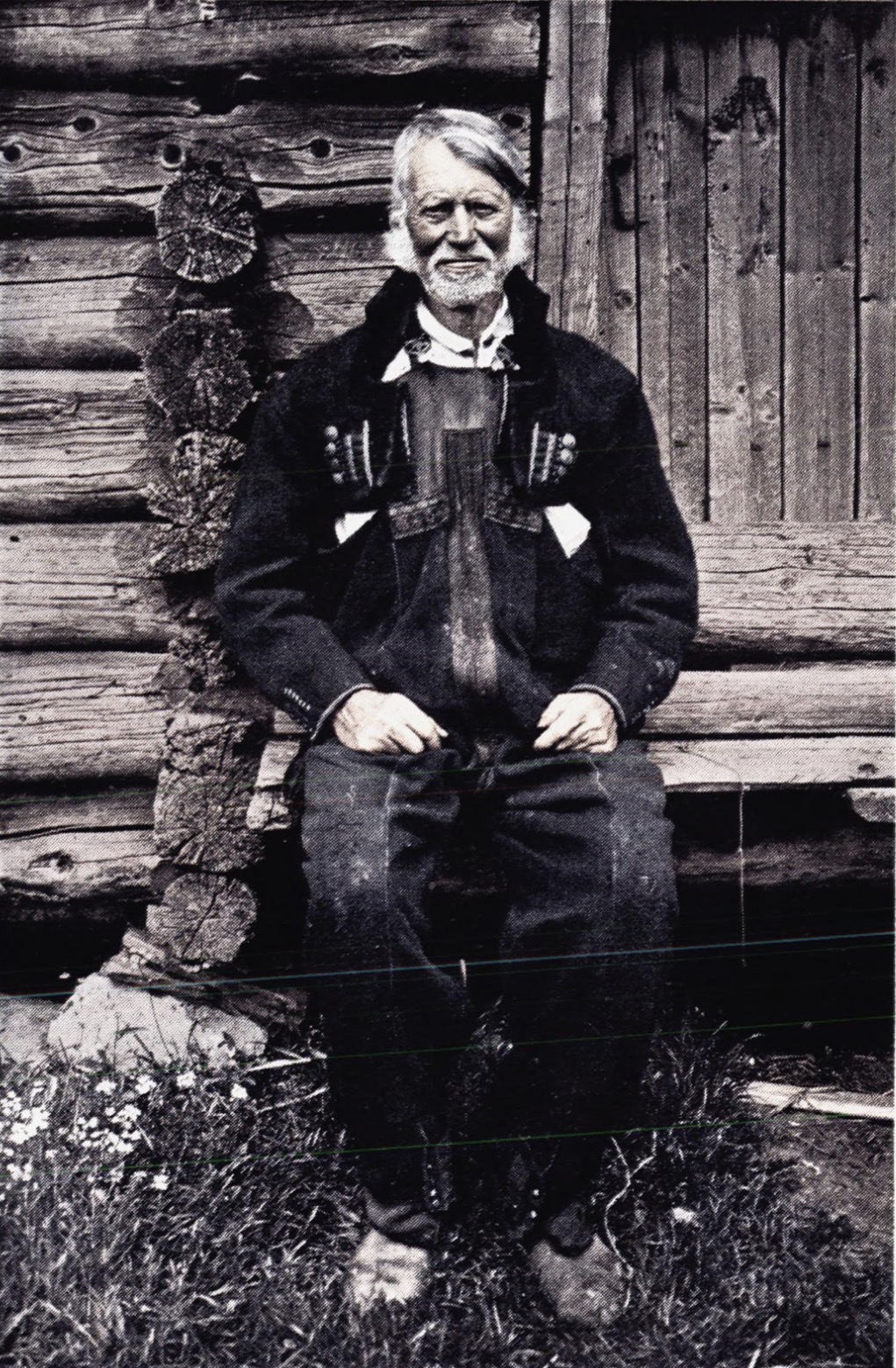
What do the trolls do when their leader has his nose shot off?
“Trond,” as told by Olav Eivindsson Ausdal, on my website, NorwegianFolktales.net
.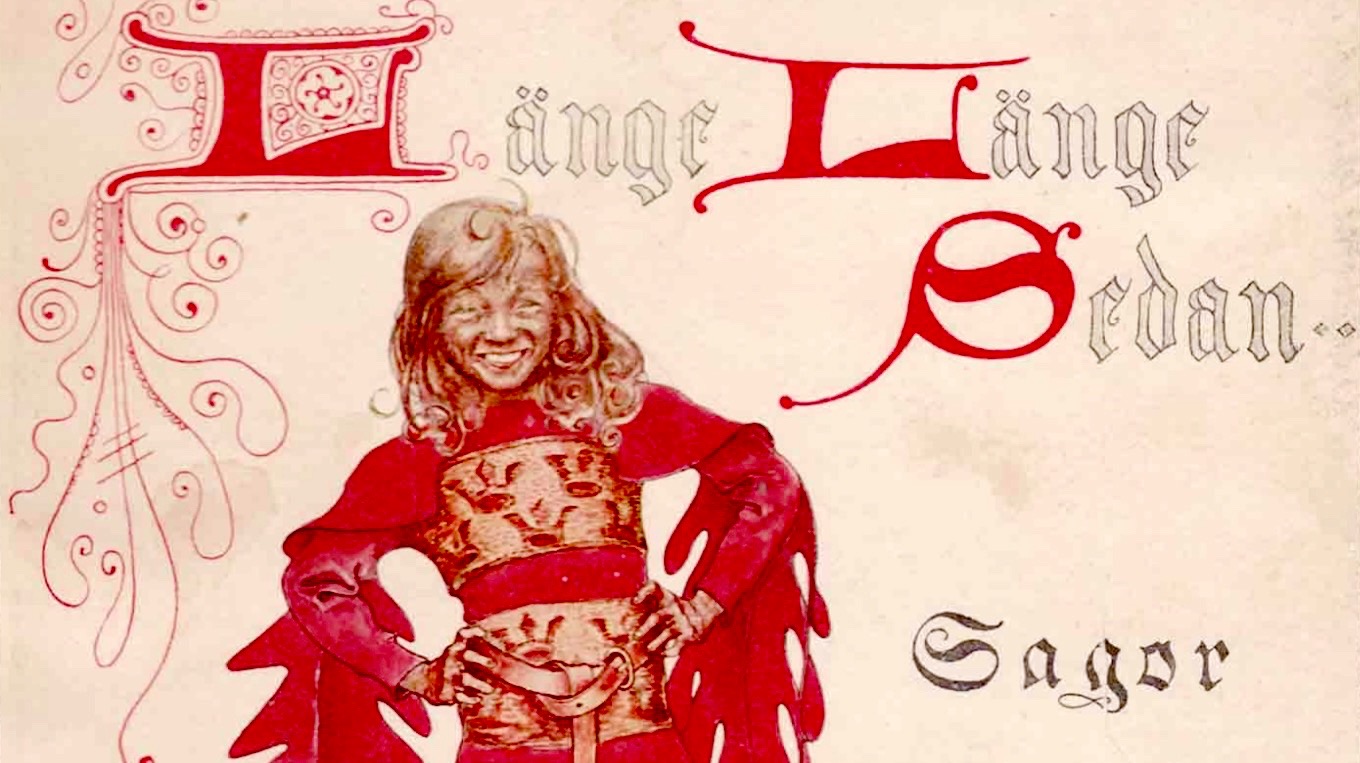
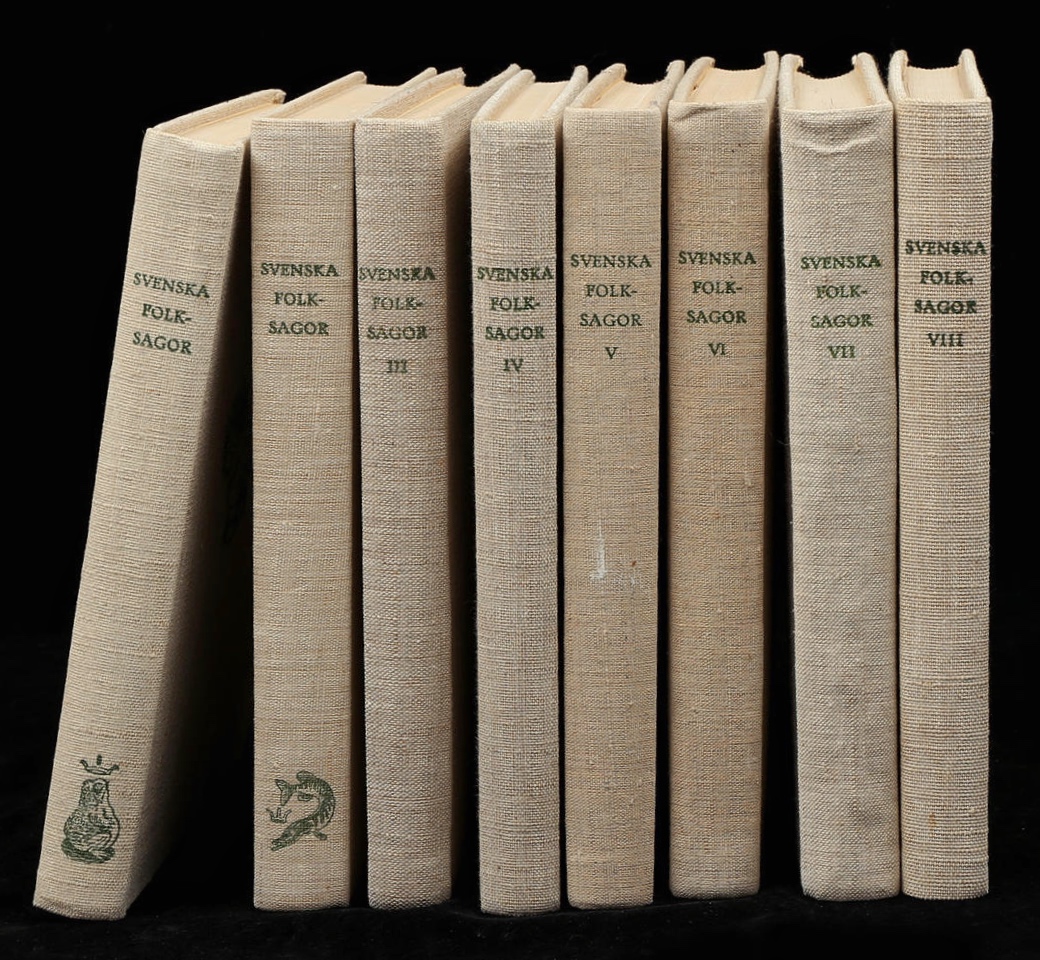
Have you read about what I intend to do with the more than 40 volumes of Swedish folktales I have access to? Perhaps you’d like to. If so, look here.
A fox saw a hen in a field, and thought of making a meal of her. Yet before he did so, he recited a prayer of thanksgiving. By the time he had finished, the hen had flown up on to a roof, and he could not reach her. Then the fox exclaimed: “That’s taught me to eat first and give thanks afterwards.”
• From Jöran Sahlgren and Sven Liljeblad. Svenska sagor och sägner 4: Sagor ur G. O. Hyltén-Cavallius och George Stephens samlingar. Uppsala: Kungl. Gustav Adolfs Akademien, 1942.
The beginning of the following Swedish folktale is grim. It continues as a version of “The Ram and the Pig Who Should Go to the Forest and Live by Themselves” (ATU-130B), with a bit of “The Molly of Dovre” (ATU-1161) mixed in the middle.
But does the parson get his roast?
The Parson’s Roast
A wealthy, though unusually stingy, farmer wanted, once upon a time, to have his children Christened, and he was therefore making ready for a visit from the parson.
“It is regrettable,” he said, “that the parson shan’t have a roast meal when he comes; officials are especially pleased with such things.”
“Oh, we’ll think of something,” answered his resourceful wife. “I know! We can slaughter the cat and tell the parson it’s roast hare. What difference will it make to him?”
The cat, who had been sitting in the kitchen, listening to everything they said, hurried out as swiftly as he could go.
This is among the first Swedish folktales from Sven Sederström’s collection I have translated, and it’s delightful (despite the threat on the cat’s life).
The hero of “every other one of our folktales,” as Jørgen Moe once said, Askeladden is far from a heroic name.
Read about the name of Askeladden on my Website: Today You Learned (#2): Askeladden is not a hero’s name.
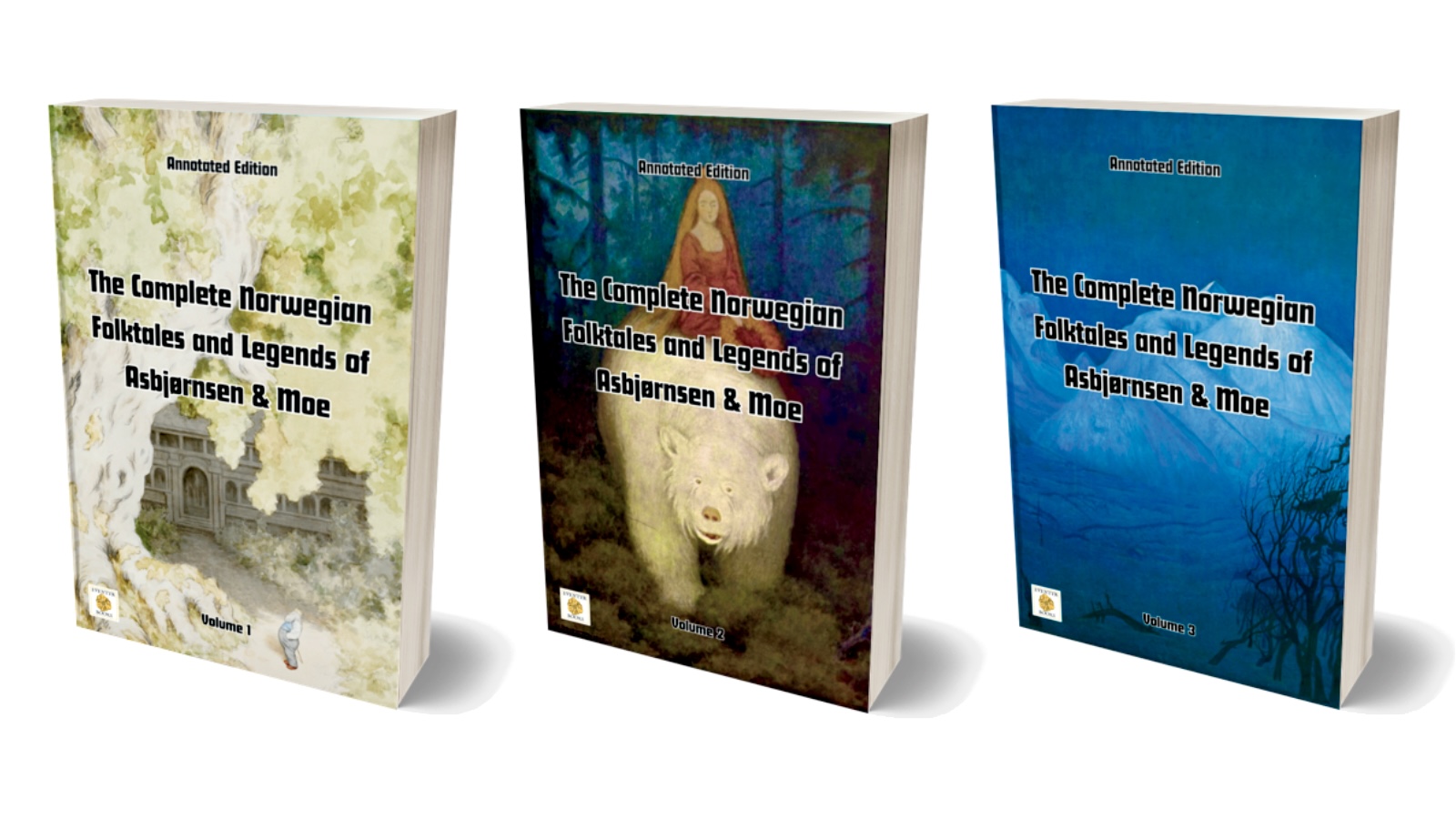
Three chunky volumes (815 pages, 617 pages, and 665 pages).
Original prefaces from eight editions.
Jørgen Moe’s substantial introduction to the folktales, in which he discusses the origins of folk narratives, and how the Norwegian material exemplifies his ideas.
All 122 folktales Asbjørnsen & Moe published during their careers.
28 hulder tales and folk legends, a genre Asbjørnsen defined, in which he embeds the legends of the hidden folk.
Approximately 350 illustrations by some of the most accomplished artists Norway has known, including Hans Gude, Erik Werenskiold and Theodor Kittelsen.
Asbjørnsen & Moe’s notes on the folktales, which detail the variant(s) the collectors used to compose each folktale, sketch out other variants they collected, and compare the Norwegian folktales with similar traditions from other regions.
Newly-researched editor’s notes, which identify the collector responsible for the composition of each text, give collection data, including tale type, geographical origin, collector, informant, and date of collection, sketch biographical details of informants, where known, give previous publication and translation details, trace historical and literary sources, and draw attention to points of particular interest.
Editor’s prefaces to each volume, which trace the publication history of the original volumes represented, as well as previous translations.
Comprehensive – perhaps even exhaustive – bibliographies to each volume.
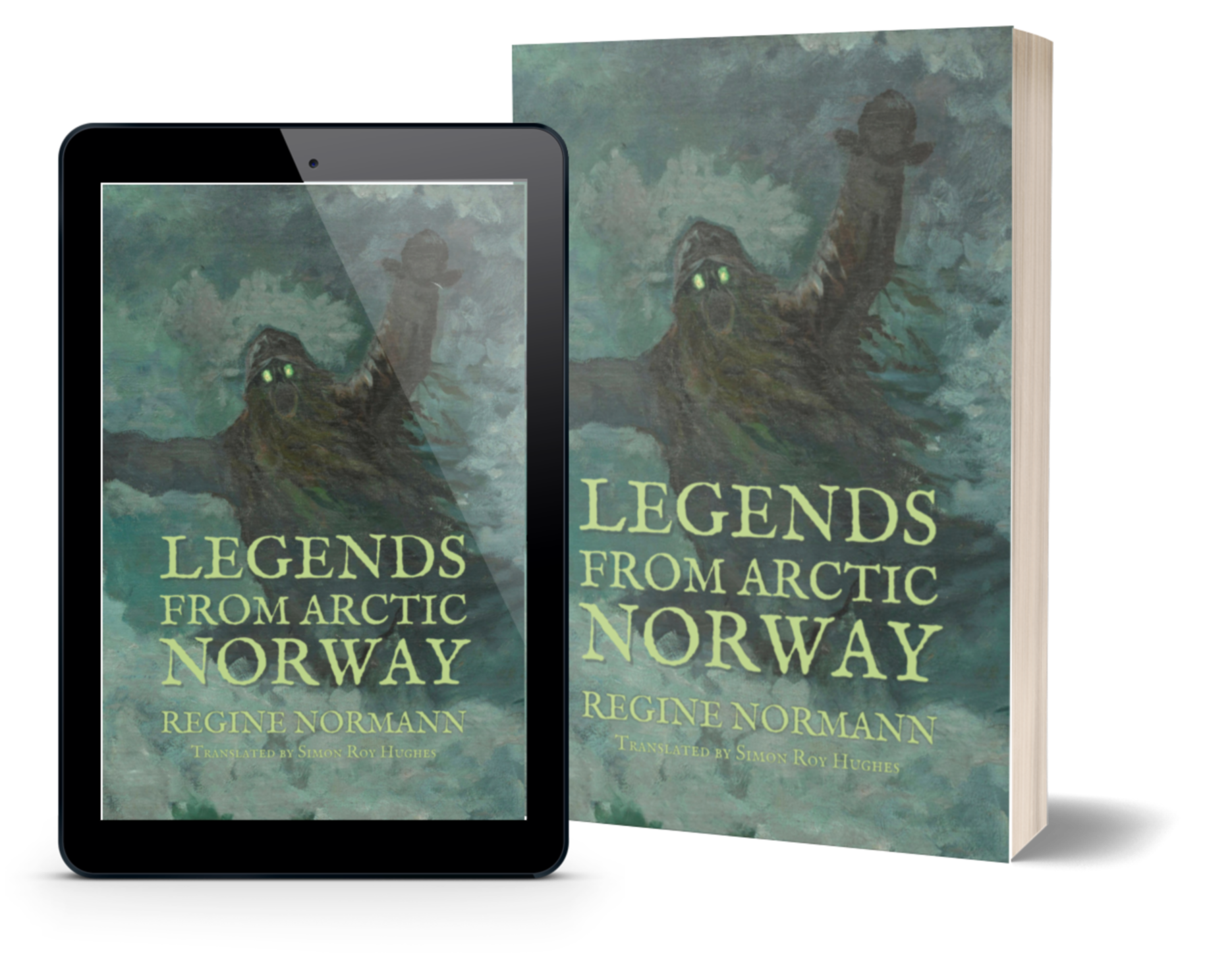
A legend belongs to a genre of folk narrative that purports to relate true accounts of inexplicable episodes encountered by friends, family, or even the raconteur. Regine Normann's Legends from Arctic Norway follows Kari Aronste on her summer holiday, revisiting her childhood home in the north. She is reunited with her circle of family and friends, who on every occasion recount such odd events for one another. Moreover, we also read of how, from time to time, circumstances force these people into action, employing their knowledge of the hidden world to overcome the uncanniness of their daily lives.
The mysteries of the north are manifold. We read of the hidden tusse folk, who live in mounds close by the human settlements, and aid their farmers and fishermen. The cunning folk possess skills that allow them to manipulate circumstances and folk through their use of plants, animals, and above all words. Alongside these settled folk, the shamanistic Sámi folk possess even greater knowledge, which allows them even to manipulate physical objects at a distance. And of course, there are the dead, who never really leave this world at all: the restless dead, the vengeful dead, and the sea-dead draug, who shall never find peace in consecrated ground.
Regine Normann has spun a narrative around all of these uncanny stories. Through it she relates the lives of people who, but a hundred years ago, lived in the small settlements of the wind-swept fjords north of the Arctic circle. Yet she also demonstrates how the world of the stories and the real world are not really separate at all. The uncanny world of the legends is one with our world.
Death was never so dead that a touch of life didn’t linger in the clay, giving it the power to drift around the neighbourhood, spreading dread and fear of darkness.
– The Churchyard on Kalvøya
If you like your folklore cold and dark, this is a book for you.
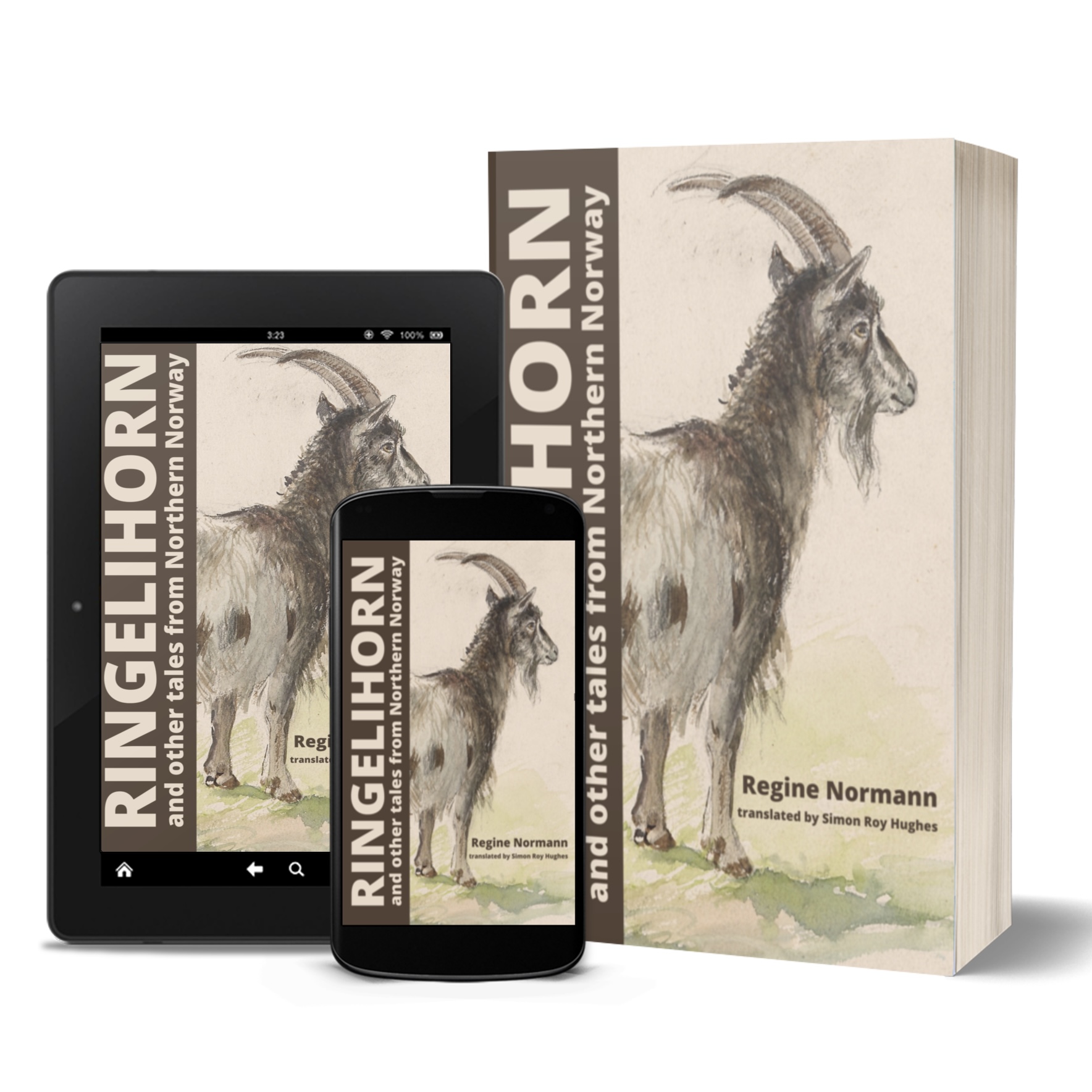
Ringelihorn and Other Tales from Northern Norway is a collection of 20 folk- and fairy tales, first published in 2 volumes in 1925/ 6. These are magical tales, the like of which you’ll not have read before.
Bewitched princesses and princes, sea-trolls (with mouths as wide as boat-house doors), giants, revenants, hulders, goblins, merfolk, eagles, goats, a wooden doll, seabirds, halibuts, robbers, sailors, the draug, the devil, St. Peter, and “Our Lord”. Regine Normann’s tales are packed full of the most extraordinary characters from the Norwegian fairy-tale gallery. The plots are action-packed, and the setting, when not the heart of the earth, is almost always the magical coast of northern Norway. There are twenty folk- and fairy tales, all with a northern perspective, and all forged in the classroom, where Regine Normann’s storytelling sessions were the stuff of legend.
Born in a small settlement on the Arctic coast of Norway, Serine Regine Normann (1867-1939) lived most of her adult life in the capital city, working parallel teaching and writing careers, and was the first woman writer from the north of the country to achieve national success. Her folktales have been compared favourably to those of Selma Lagerlöf and Rudyard Kipling, both winners of the Nobel literature prize, and have remained in print since publication in 1925 and 1926. It is high time there should be a readable English translation.
This English edition has been translated by yours truly, edited by Verity Holloway of Fruit Bat Editorial, and contains a foreword by internationally renowned storyteller, Zalka Csenge Virág, Ph. D.
“Very few in this century have been able to compose true fairy tales. Actually, I can only think of three: Rudyard Kipling, Selma Lagerlöf, and Regine Normann.” — André Bjerke, 1940
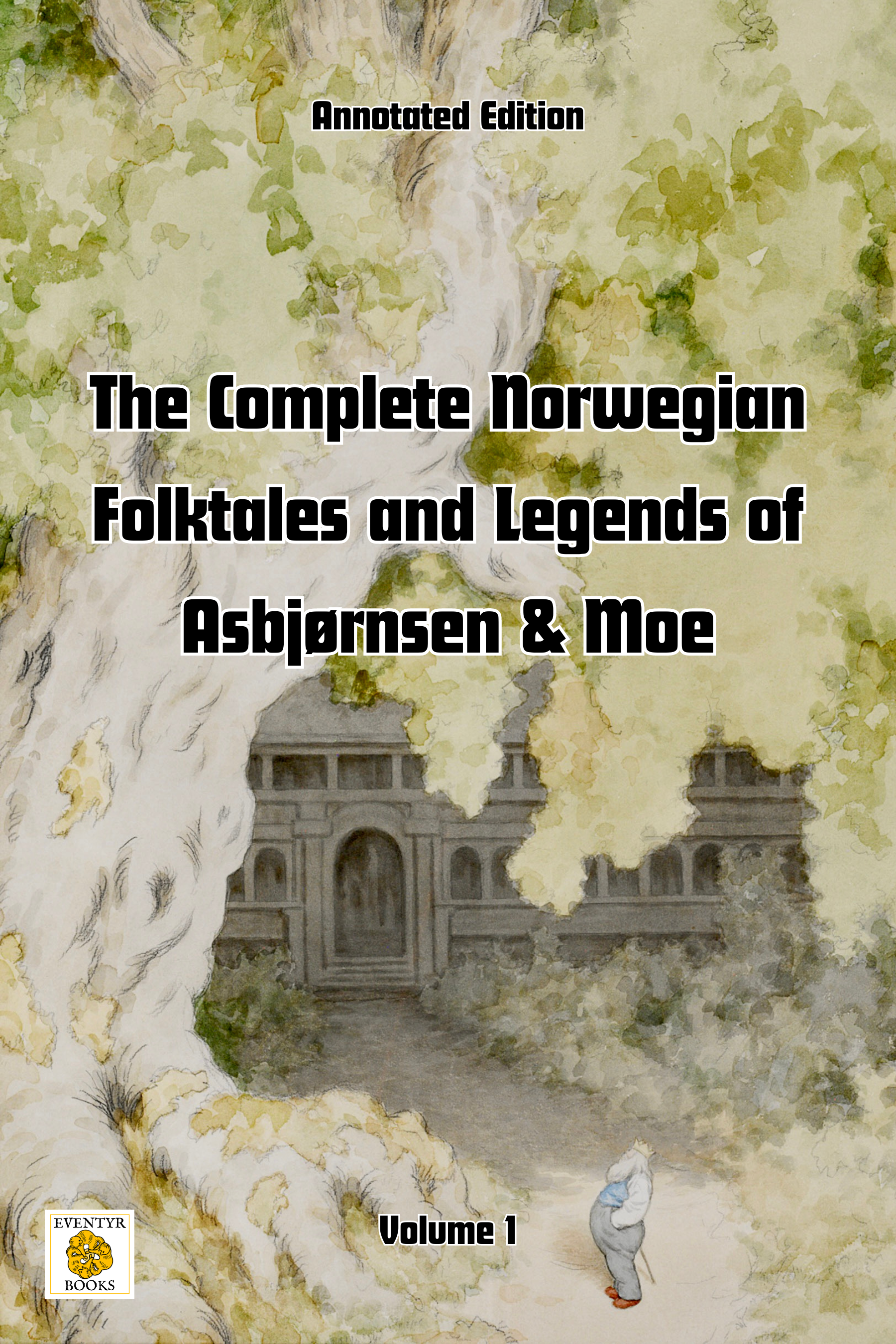
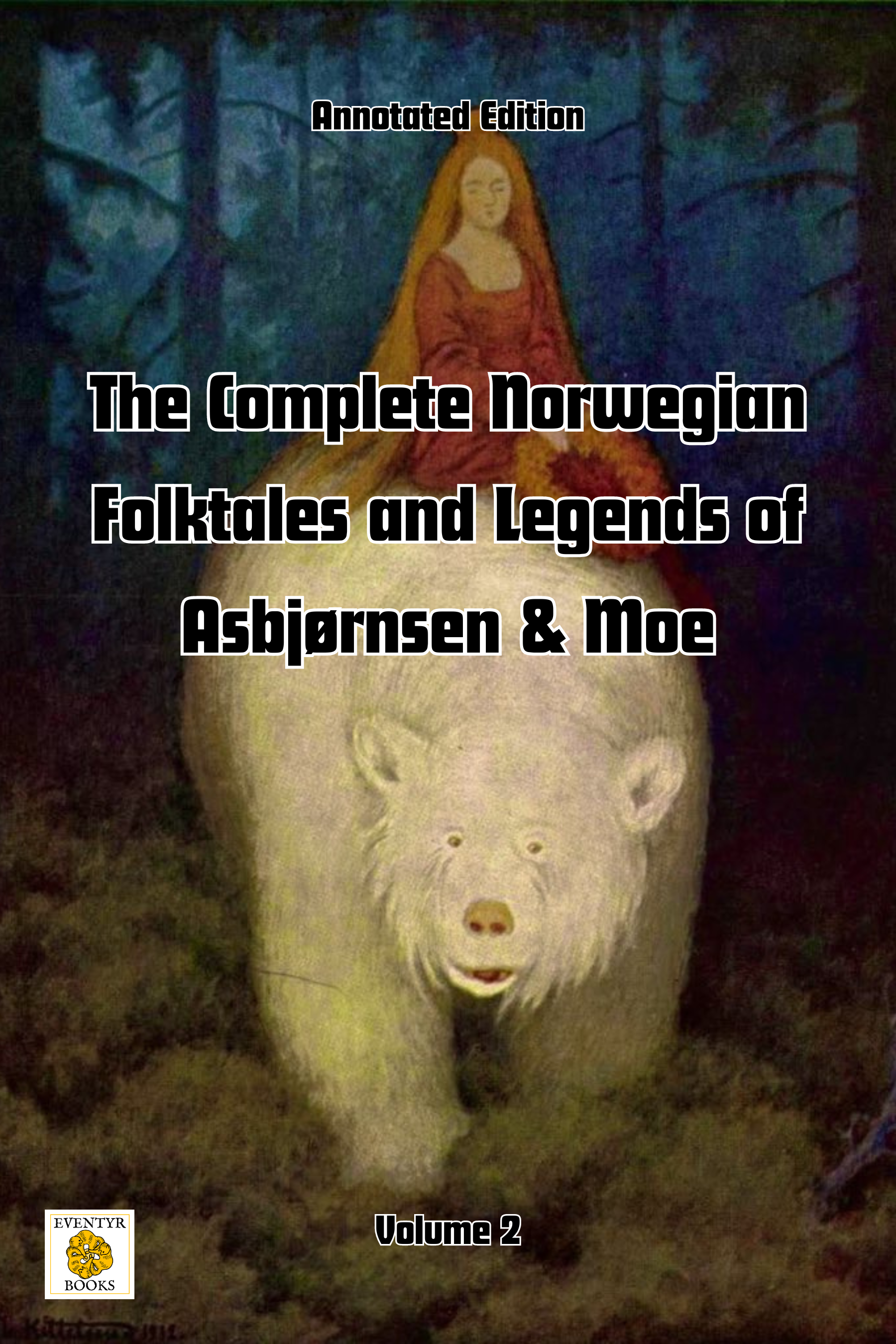
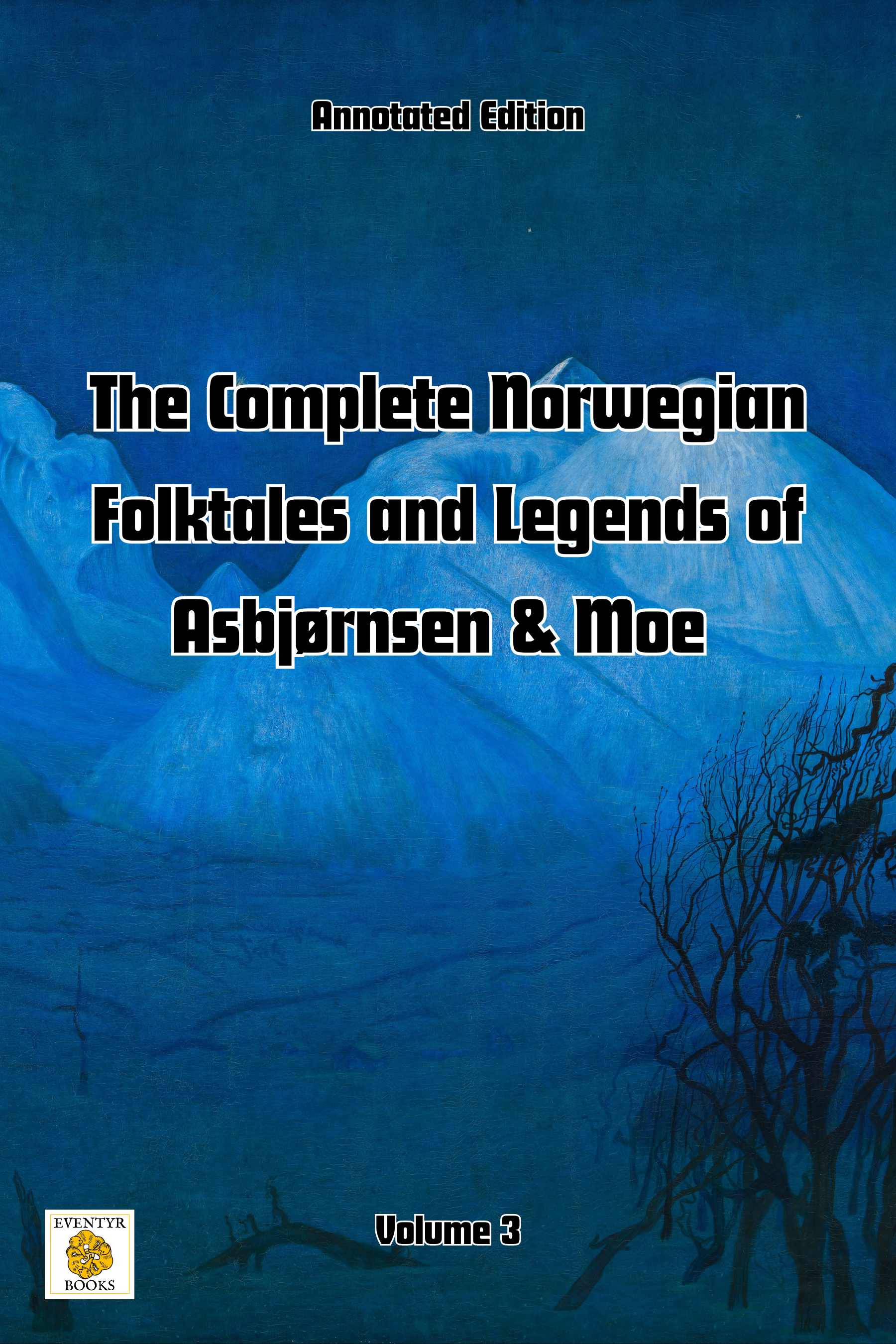
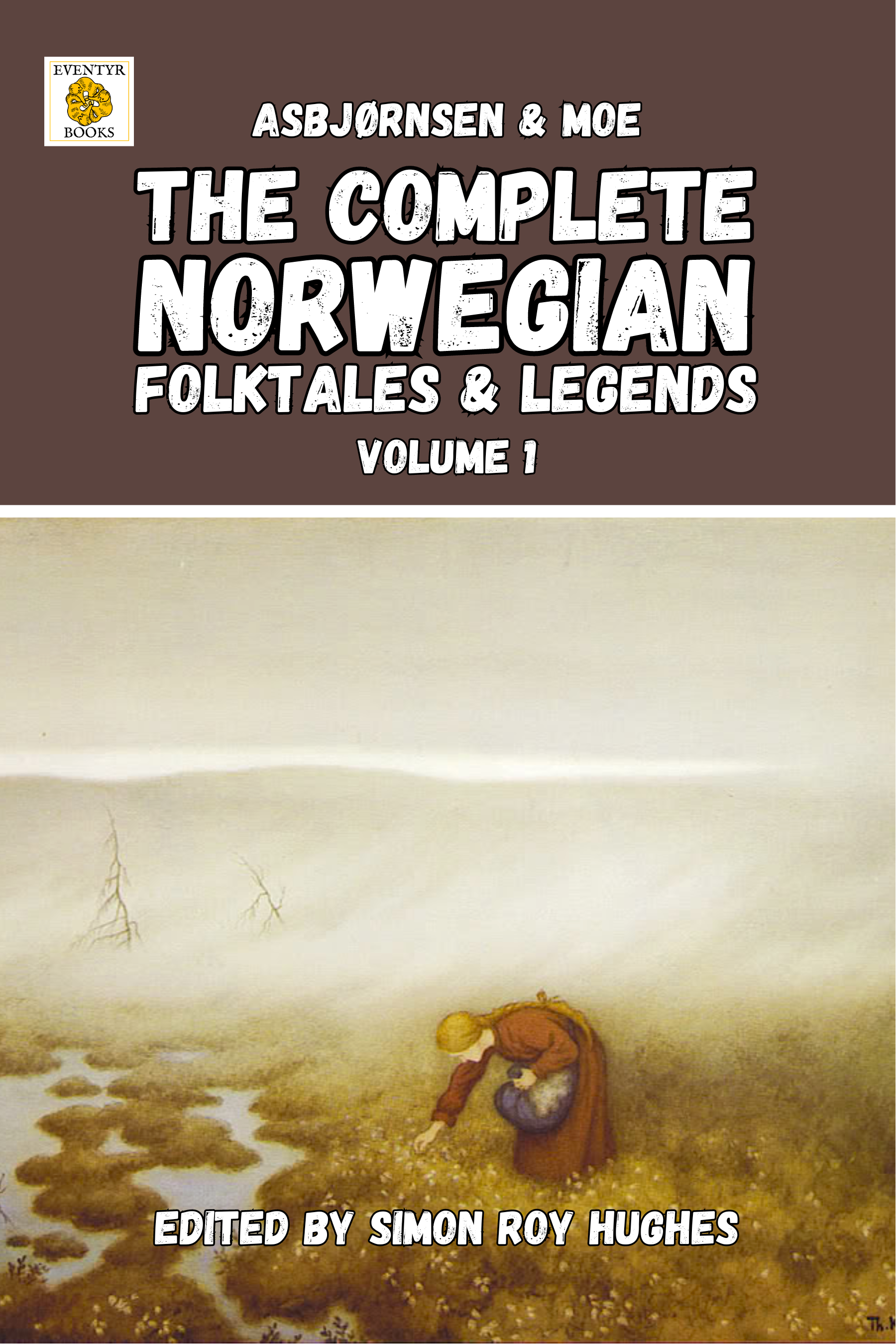
Every single folktale and legend published by Asbjørnsen & Moe in English for the first time. These are the most comprehensive editions in any language.
Two editions are available: one is annotated (details here) and includes a number of original introductory texts; the other has just the stories (details here). Both editions are fully illustrated.
Oh, and if you choose to buy the .pdf copies directly from me at ko-fi, they'll cost you less than half the price of the paperback volumes.
|
Volume one
|
Volume two
|
Volume three
|
|
Volume one
|
Volume two
|
Volume three
|
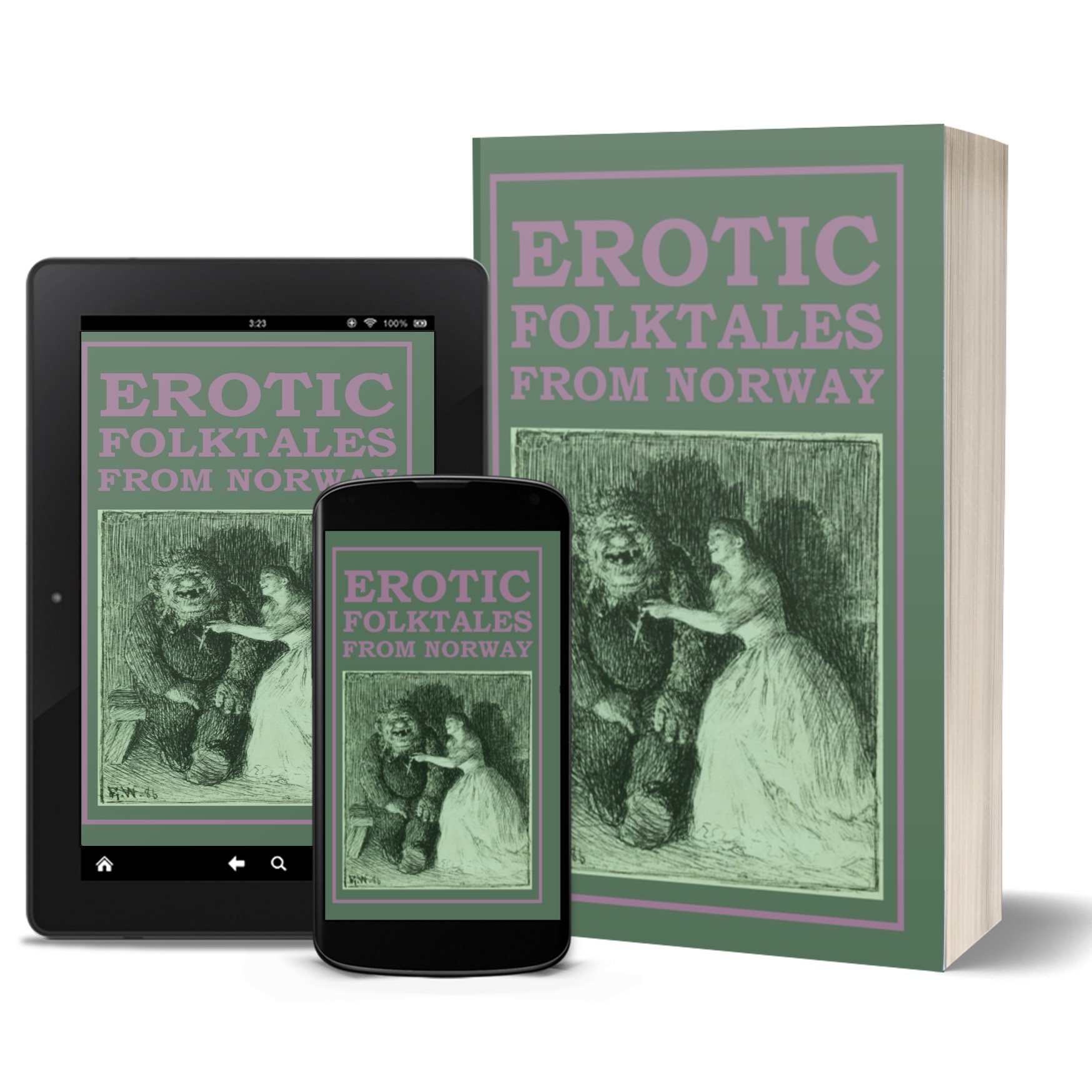
Once upon a time in the 19th century, certain men began to travel the highways and byways of rural Norway, collecting the tales, legends, and fables that the local population had to tell them. Many of these tales were published almost at once, such as “The Three Billy-goats Bruse,” and “East of the Sun and West of the Moon.” Certain others, however, because of their frank treatment of the sexual side of human experience, were repressed. The manuscripts languished in the archives of the university for nearly a hundred years, before being brought into the light, and published in Norway.
Here are 54 tales of witches, trolls, giants, soothsayers, and princesses; as well as tales of sinners, sextons, parsons, beetles, fleas, and mice. Even Adam and Eve make an appearance. Some of them are hilarious, others astonishing, with the odd cringe-worthy tale thrown in for good measure. All of them reveal the society that brought them forth – from a certain perspective.
This is the first time the collection has been translated into English.
My name is Simon Roy Hughes, and I translate and publish Scandinavian folktales and legends. Welcome to Scandinavian Folktales and Legends, a new Blogger blog associated with my main Website, NorwegianFolktales.net Whereas I have blocked every Web crawler known to man from my own site, this one will contain material that I am happy to share with the world and its electronic overlords.